This platform offers a neutral space to explore how individuals narrate and describe their everyday eating routines. Our focus lies in understanding the recurring sequences, contextual factors, and personal observations that shape daily food-related moments.
These narrative consultations center on how people talk about their ordinary routines: morning starts, breaks between activities, main eating occasions, and informal food moments throughout the day. The format is purely educational, emphasizing description and recognition rather than direction or change.
We document how routines are experienced and communicated, exploring the relationship between repetition, environment, and individual rhythm in real-life settings.
Explore Routines
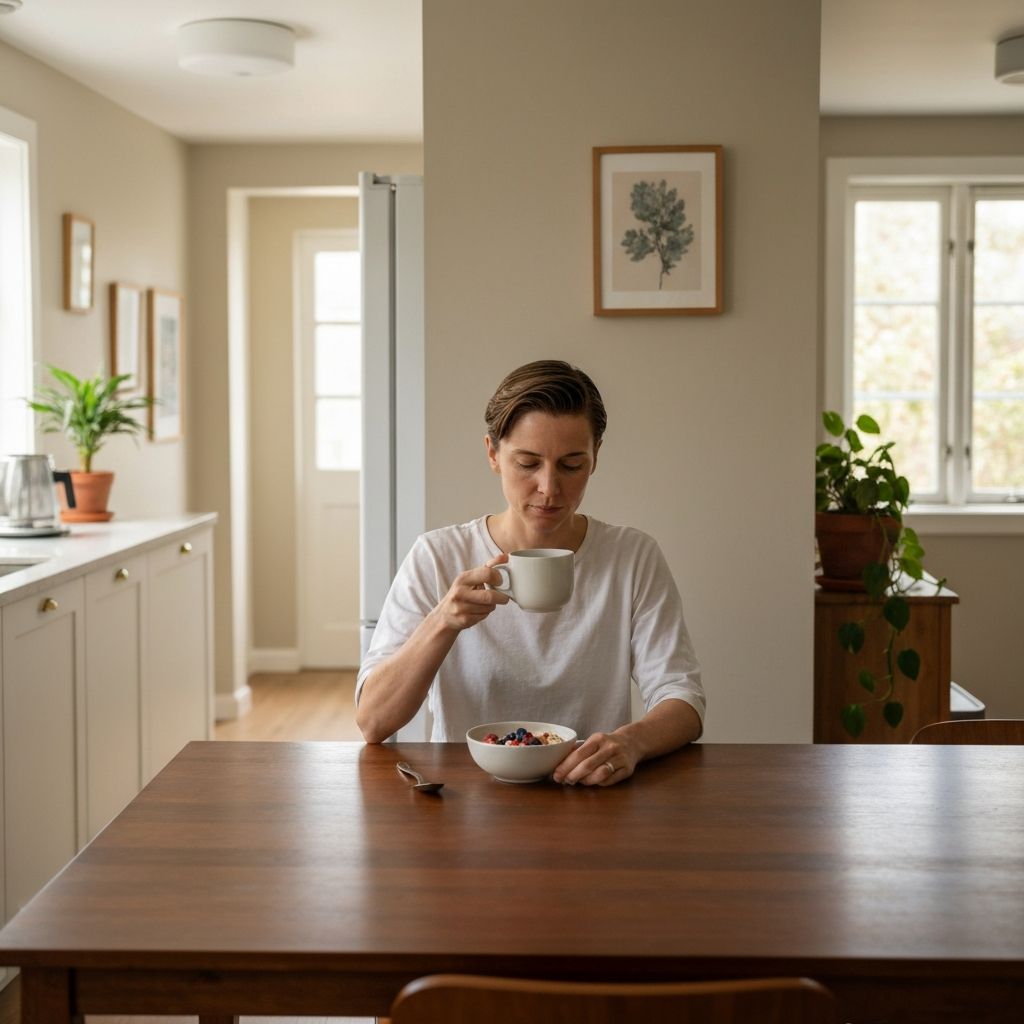

Everyday eating routines emerge through repetition. The same moments recur throughout weeks and months: a morning sequence, a midday pause, an evening gathering. These patterns form the backbone of daily life.
In narrative consultations, participants describe how these repeated moments appear in their day. What happens first? What follows? Which elements remain constant, and which shift slightly from day to day?
The conversation focuses on recognition rather than evaluation. There are no standards to meet, no ideal patterns to follow. Instead, the exchange highlights how routines are noticed, named, and understood by those who live them.
Repetition creates familiarity. By describing these recurring sequences, participants gain clarity about the structure that already exists in their everyday lives, without any expectation of modification.
The day unfolds in segments, each with its own eating-related moments. Understanding this sequence helps clarify how routines connect and flow from morning to evening.
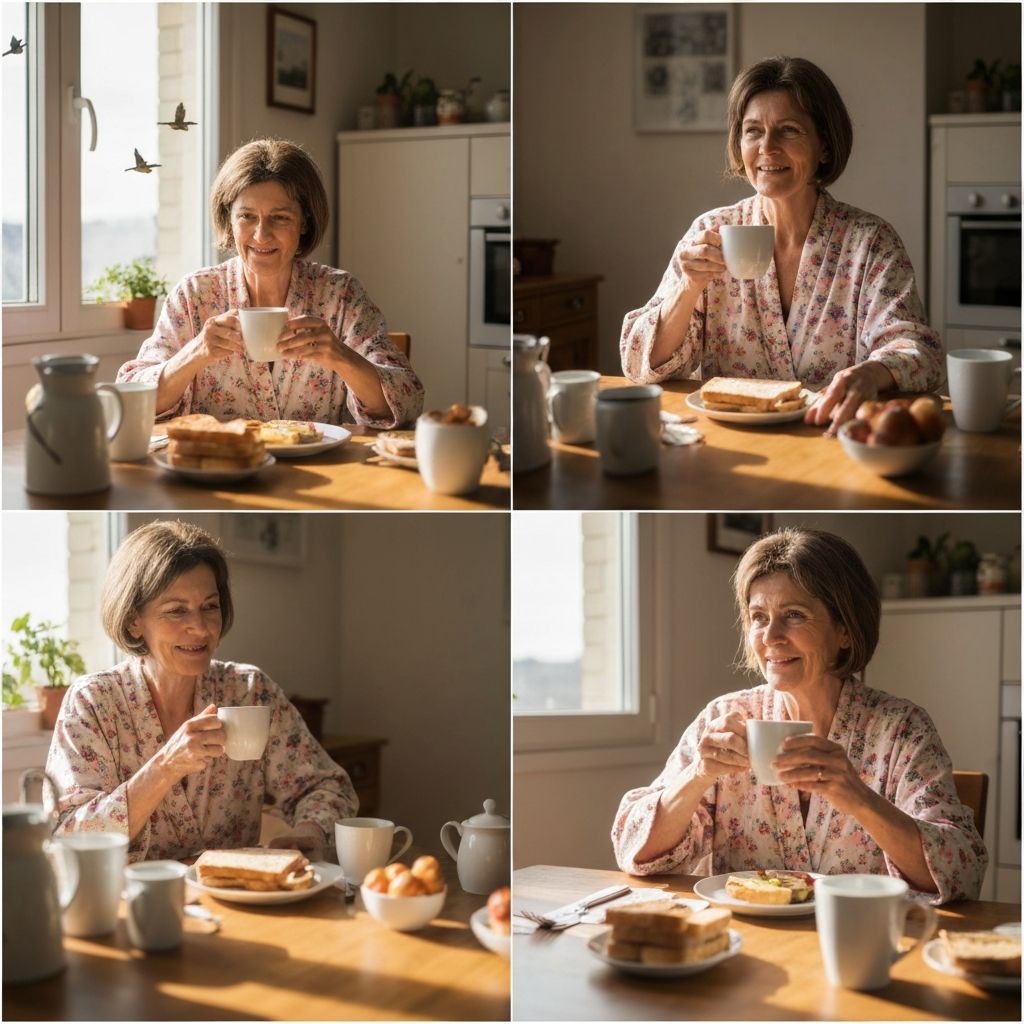
How does the day begin? Some describe a quick first meal, others a longer preparation. The morning sequence sets the tone for what follows, whether rushed or leisurely.
Between morning and evening lie the breaks. A pause for lunch, a snack during work, a shared meal. These moments interrupt the flow of other activities and create structure within the day.
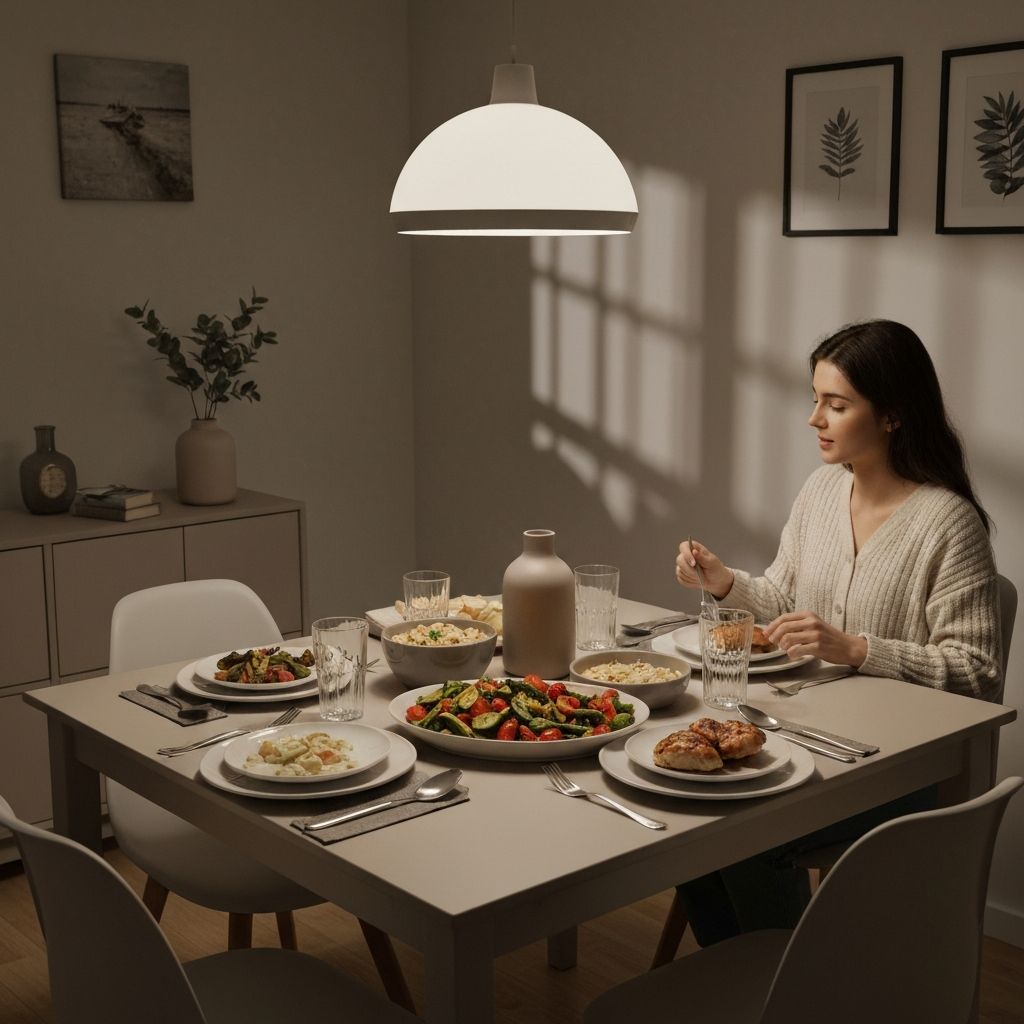
As the day winds down, eating routines shift again. Dinner might be a family gathering, a solo meal, or something informal. The evening marks a transition toward rest.
These segments form the daily order. Narrative consultations explore how individuals describe this sequence, recognizing the rhythm that organizes their everyday eating life.
Everyday eating routines do not exist in isolation. They are shaped by numerous contextual factors that influence when, where, and how eating moments occur.
Time availability: How much time is available determines whether a meal is quick or extended. A short break at work differs from a leisurely weekend morning.
Surroundings: The physical environment matters. A home kitchen, an office break room, a street vendor, or a restaurant each create different conditions for eating.
Access and convenience: What is nearby and easy to reach often becomes part of the routine. Proximity shapes choices in practical ways.
Attention and awareness: Sometimes eating happens alongside other activities. Other times, it receives full focus. This variation is simply described, not judged.
Narrative consultations invite participants to name these contextual details, building a clearer picture of the real-life conditions that frame their everyday eating routines.
Location plays a central role in everyday eating routines. Different places create different patterns and possibilities.
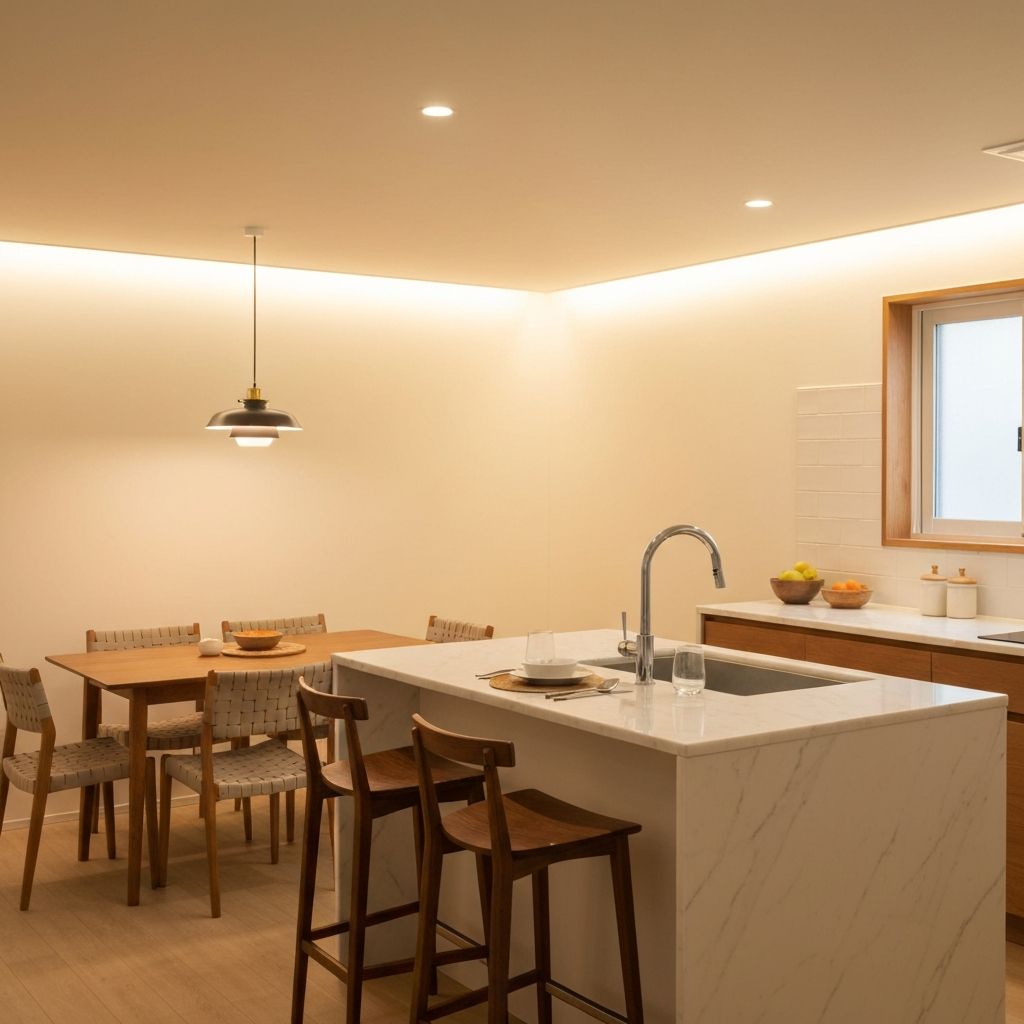
At home, routines often feel most established. The same table, the same chair, the same rhythm. Home is where personal patterns are most visible and consistent.
Work settings introduce constraints: limited time, shared spaces, fewer options. Routines adapt to these conditions, creating patterns specific to the workplace.
Eating outside the home or workplace adds variability. Streets, parks, cafes, and transit spaces all host eating moments, each with its own character.
In narrative consultations, participants describe these various places and how routines shift across different locations, providing insight into the geographic dimension of everyday eating life.
While routines imply repetition, they are rarely identical day after day. Patterns contain both stability and variation, creating a flexible structure rather than rigid sameness.
Weekday patterns: Work days often share common elements. Morning timing, lunch breaks, and evening meals follow a recognizable sequence shaped by work schedules and obligations.
Weekend variations: Saturdays and Sundays typically introduce changes. More time, different locations, altered timing. The pattern loosens while remaining recognizable.
Seasonal shifts: Weather, daylight, and availability change throughout the year, subtly adjusting routines without fundamentally replacing them.
Narrative consultations explore both the consistent core and the natural variations that characterize everyday eating patterns. Recognizing these patterns is an act of observation, not an invitation to alter them.
Certain situations appear repeatedly in conversations about everyday eating routines. These common contexts shape how routines unfold in practice.
Acquiring food is itself a routine. Weekly trips, daily stops, online orders. The shopping pattern influences what becomes available for eating routines.
Restaurants, street vendors, cafes. These external options interrupt home routines or become routines themselves when visited regularly.
Movement between places creates unique eating moments. Breakfast on the go, snacks during transit, meals adjusted to travel schedules.
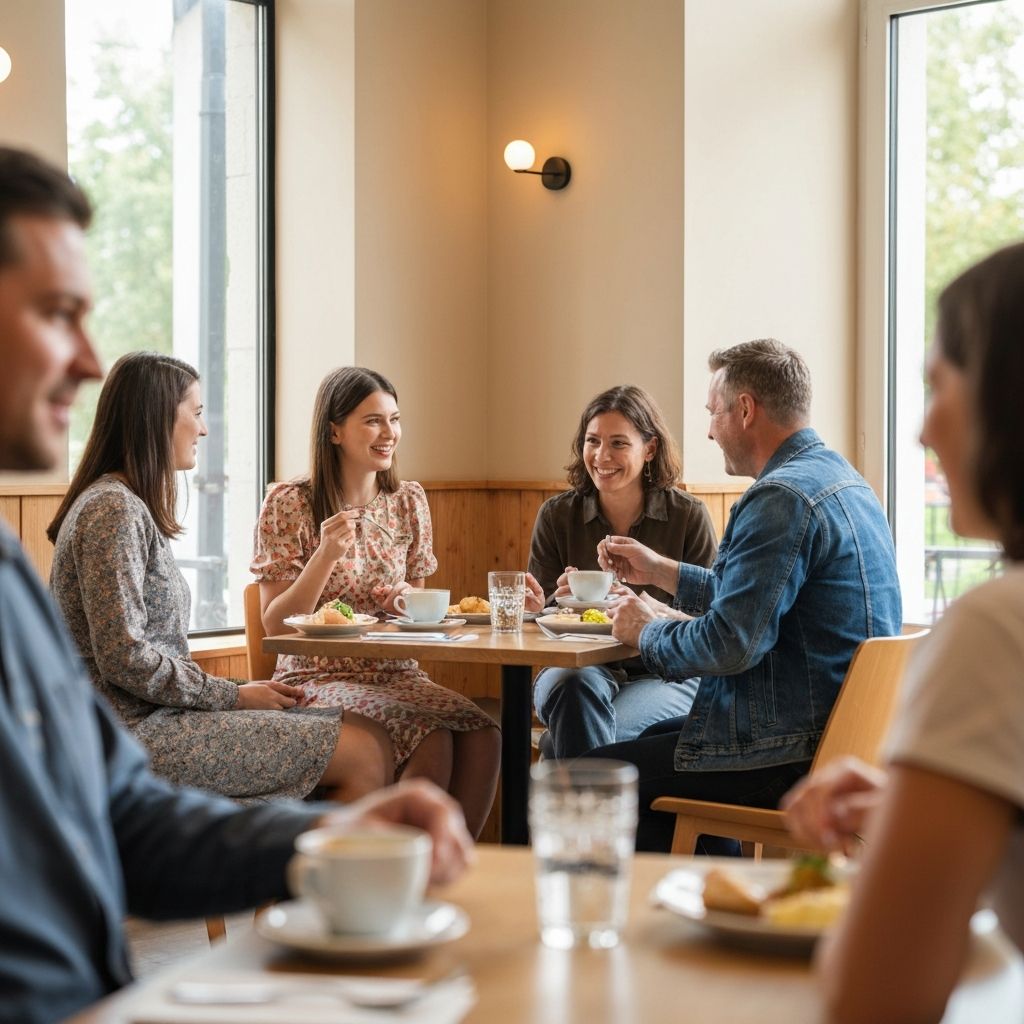
Social gatherings: Eating with others introduces a collective dimension. Family meals, gatherings with friends, workplace lunches. These social contexts add complexity to individual routines.
In narrative consultations, participants describe how these situations fit into their everyday life, recognizing the practical circumstances that shape their eating routines.
The tempo of daily life varies. Some days move quickly, with compressed time for eating. Other days unfold more slowly, allowing extended pauses.
Fast days: When the pace accelerates, eating routines compress. Meals become briefer, less attention is available, and convenience takes priority. The routine adapts to the speed of the day.
Slower days: With more time available, eating routines can expand. Preparation takes longer, meals extend, attention increases. The same routine exists within a different temporal frame.
Changes in tempo: The pace is not constant. It shifts based on obligations, circumstances, and individual energy. These variations are natural features of everyday life.
Narrative consultations acknowledge this rhythmic dimension. By describing how pace influences eating routines, participants clarify the temporal patterns that shape their daily experience.
Understanding pace is about observation, not optimization. There is no ideal speed, only the recognition of how timing and rhythm actually function in everyday eating life.
It is essential to clearly state what this informational format does not provide.
There are no structured eating plans, no menu suggestions, no recommended sequences. The format is descriptive, not prescriptive.
There are no standards to meet, no ideal routines to follow, no benchmarks for comparison. Each person's routines are simply described as they are.
There are no quantities, dosages, portions, or numerical specifications. The focus remains on narrative description.
Routines are not assessed, judged, or ranked. There are no right or wrong patterns, only observed and described ones.
There are no guarantees of outcomes, no timelines for change, no expected effects. The format is educational, not result-oriented.
Consultations conclude with a descriptive summary, not an action plan. The goal is clarity through narrative, not behavioral modification.
These limits define the boundaries of the narrative consultation format, ensuring clarity about its purely informational and educational nature.
A narrative consultation is a conversation focused on how you describe your everyday eating routines. You share observations about recurring moments, daily sequences, and contextual factors. The format is educational and centers on recognition and description.
Consultations involve individuals interested in clarifying and understanding their own everyday eating patterns through narrative exchange with food-related professionals.
This informational format is designed for those seeking descriptive clarity about their routines. It is not appropriate for those requiring specialized guidance or specific recommendations.
Expect questions about your daily sequences, the places where you eat, recurring patterns, and contextual details. The conversation is structured around description and recognition, not direction or change.
No. The format does not provide instructions, menus, plans, or behavioral recommendations. It concludes with a descriptive summary of what was discussed.
Duration varies based on the depth of the narrative exploration, but most consultations are designed as single, focused conversations.
The format addresses everyday routines in general terms. It is not designed to address specific concerns that would require specialized attention.
Follow-up depends on individual interest. Some participants find a single conversation sufficient for clarity, while others may choose additional narrative exchanges.
The focus is exclusively on narrative description and recognition of existing routines, without any directive, evaluative, or outcome-oriented components.
No special preparation is required. The conversation centers on your ordinary, everyday experiences as you naturally recall and describe them.
This format does not involve measurement, evaluation, prescription, or promises. It remains strictly within informational and educational boundaries.
If you are interested in understanding and articulating your everyday eating routines through descriptive conversation, this format may offer valuable clarity. If you seek specific guidance or recommendations, other approaches would be more appropriate.
This platform serves as a neutral informational resource about narrative consultations on everyday eating routines. The content is educational, descriptive, and non-directive.
If you would like to receive informational updates, you may share your email address below.
Jalan Kartini No. 71, Malang 65115, Indonesia
Phone: +62 341 8926 503
Email: [email protected]
This website has explored everyday eating routines from multiple narrative angles: repetition, daily order, contextual factors, places, patterns, common situations, daily pace, and the clear limits of this informational format.
The purpose remains educational throughout: to provide a neutral space for understanding how people describe, observe, and contextualize their ordinary food-related routines in real-life settings.
Thank you for exploring this informational platform about narrative consultations on everyday eating routines.